
At Paris Prime Locations, we have a soft spot for the road less travelled! Rather than winding up on a tourist-packed bateau-mouche after a long queue on a Seine embankment, the Canal Saint-Martin offers another idea of a boat trip in Paris. At 6 km/h, a slow discovery punctuated by locks, mechanical feats and offbeat tales. The perfect way to round off your time on the Canal Saint-Martin: a summer swim — provided you know the authorised zones and hours!
Against the current of the bateaux-mouches
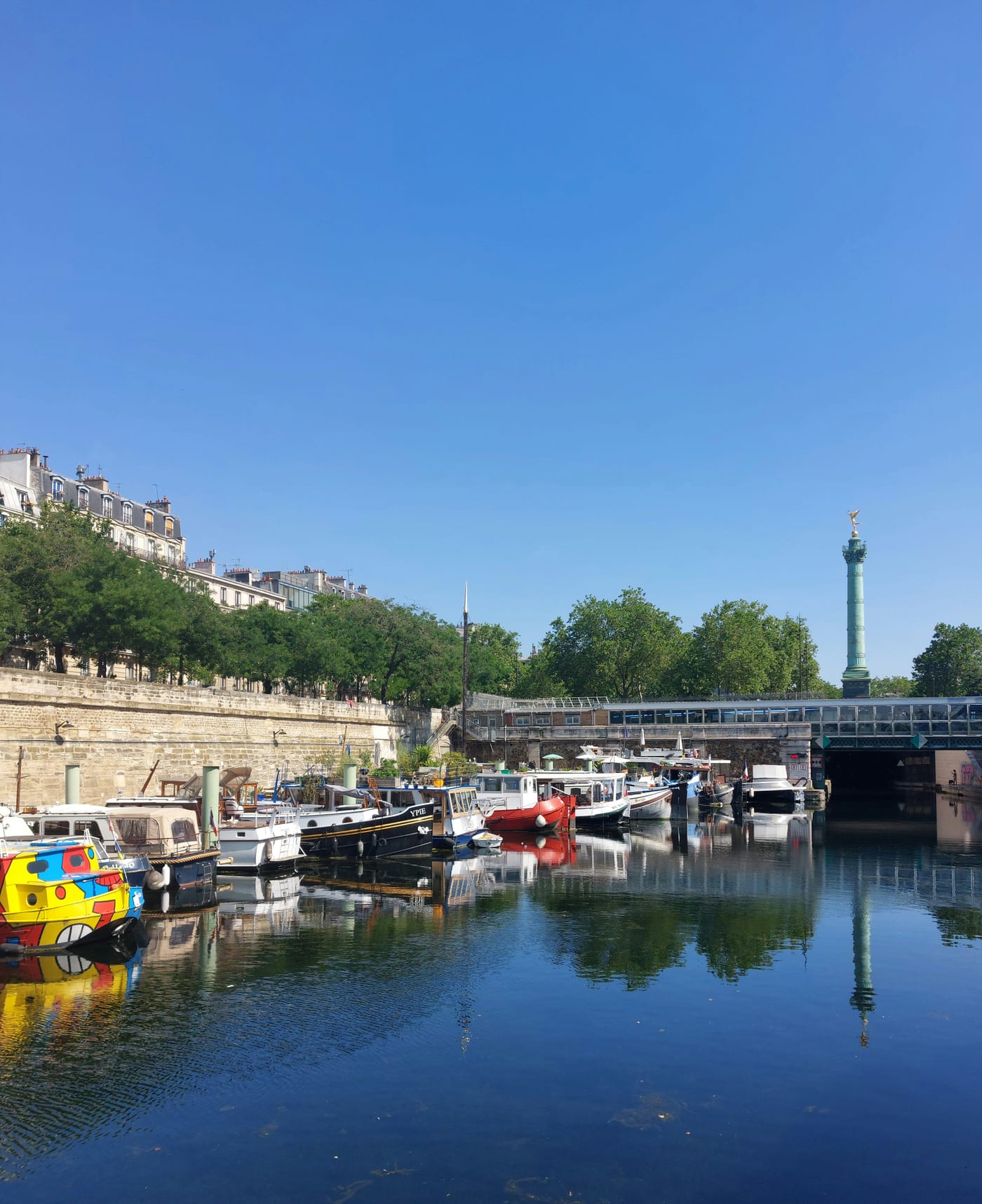
Departure with the CanauxRama company, which operates the boats, is from the Port de l'Arsenal, by the Bastille metro station: expect to pay €18 per person for 1 hour 15 minutes of cruising — about average for this kind of outing. A word of advice: bring a little patience and some time to spare. Only one boat at a time may enter beneath the Bastille vault, the first underground section of the canal heading north — if another has just set off, you'll have to wait around twenty minutes.
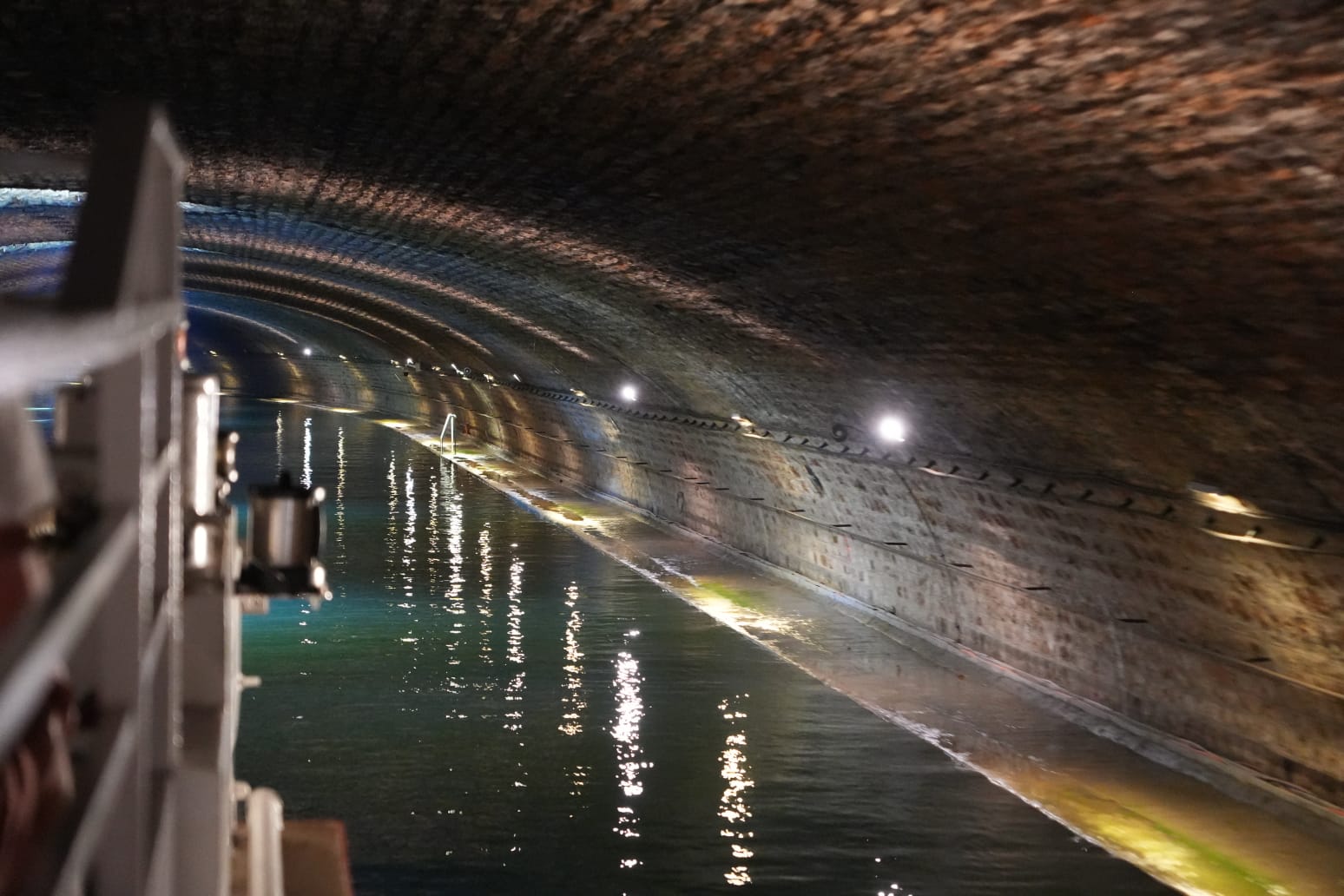
The crossing follows the rhythm of the canal and its hazards: it's impossible to move forward if an ambulance needs to cross one of the two swing bridges to reach the nearby Hôpital Saint-Louis, or when bathers are in the water (more on that later). Our recommendation is to favour a morning cruise: bathers are more common in the afternoon and evening, so you're less likely to come across them!
In conclusion: if you're the impatient type, look elsewhere! The boat moves at around 6 km/h — even slower than the Seine cruisers (12 to 16 km/h). And that is precisely the point: an ideal way to slow the pace, let yourself drift through one lock after another and enjoy the leafy banks.
Climbing a hill by boat: the locks explained
This is the great mechanical spectacle of the trip, the one that fascinates young and old alike. Between the south and the north of the canal there is a 25-metre difference in level — and thanks to the locks, yes, a boat really can "climb a hill". Take a moment to admire the powerful surges of water pouring into each lock as it fills to lift the boat. The Canal Saint-Martin has 8 locks that raise vessels three metres at a time, up to six metres at the double lock of the Bassin du Marais — a spot much loved by locals for a drink or a picnic at sunset.
Under the vault: skylights, towpaths and a social divide
Dug in 1825 and then extended under Baron Haussmann in the 1860s (the underground section runs beneath the Boulevard Richard-Lenoir), the canal was long seen as a natural border between the working-class neighbourhoods to the east. The seats of power to the west (the Palais-Royal, the Élysée) viewed it as an obstacle to putting down any revolutionary flare-ups. The underground vault made it easier for the forces of order to move about by covering part of the canal, and also served to relieve congestion in Paris: goods passed below while carriages and pedestrians moved above. The Temple vault, made of reinforced concrete, is more recent (1907).
On the neighbouring Place de la Bastille stands the July Column, engraved with the names of those who fought in the July Revolution of 1830. The Trois Glorieuses (Three Glorious Days) overthrew Charles X, the last king of the senior Bourbon line; his successor, Louis-Philippe, would be "King of the French" — and the last of the kings. Few people know it: beneath the column lies a crypt, resting place of some 700 "martyrs of liberty". You'll catch a glimpse of it as you pass right underneath.
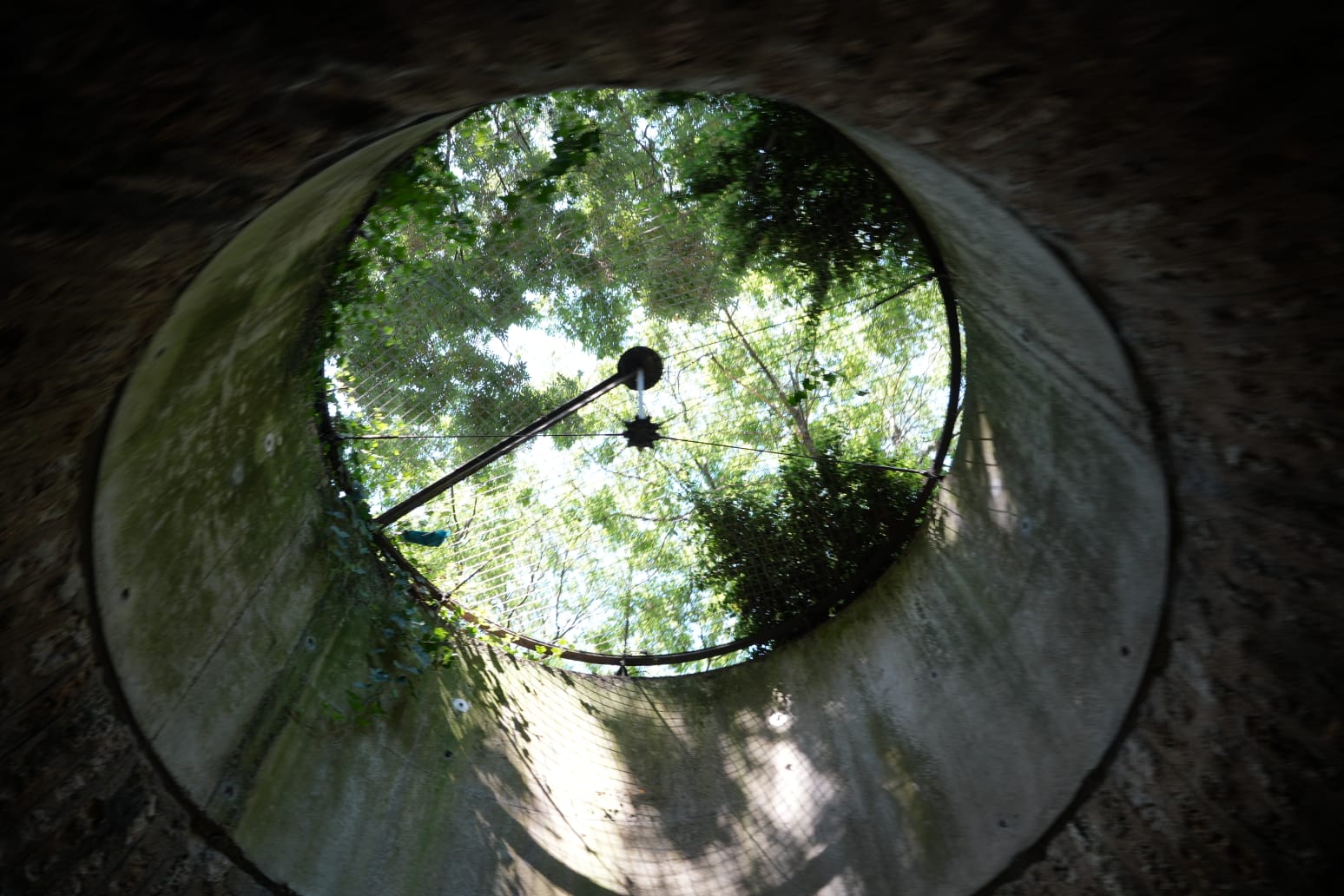
Along the vaults, 37 shafts of light known as lanterneaux (skylights) or oculi were meant to give air and light to the boatmen, who followed the towpaths hauling their craft by hand. In the days of unpowered boats, a horse could not be used in the narrow passage. Tempted to venture in for the cool of the vault? It's now forbidden, on pain of a €1,000 fine.
Tales along the water
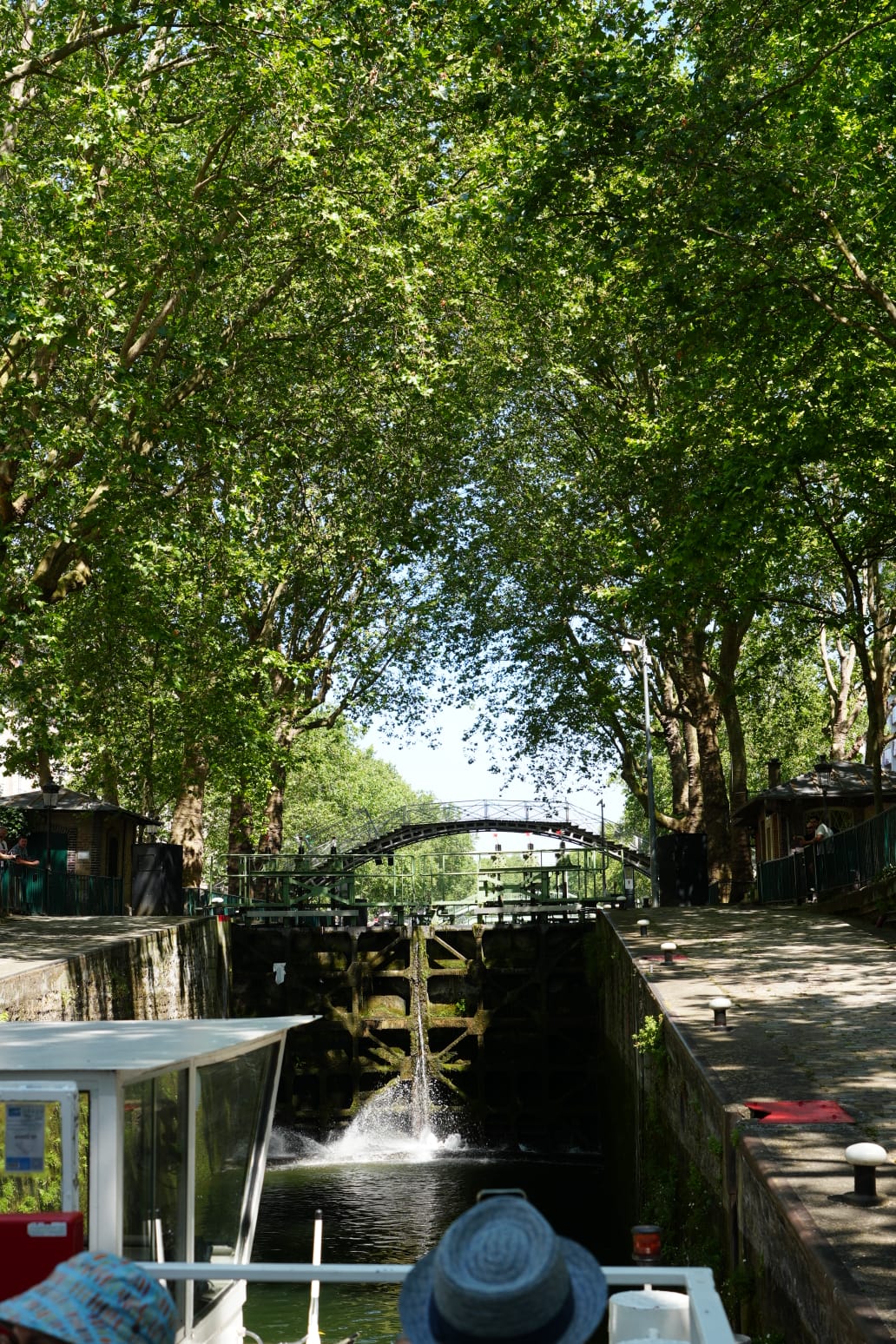
The first lock at the exit of the tunnel is known as the "lock of the dead". At the end of the 19th century, drownings were frequent — suicides, murders, drink-related falls. A reward was promised to anyone who saved a drowning person; it was soon scrapped, as pairs had formed to stage fake drownings and fake rescues.
A lock-keepers' house still stands, its occupants taking turns to work the mechanisms. The Récollets lock, perhaps the most charming of all, served as a backdrop for the film Hôtel du Nord. Finally, on the right bank, as you approach the Hôpital Saint-Louis, you can make out the building where Vincenzo Peruggia once lived — the Louvre glazier who stole the Mona Lisa in 1911, a painting that vanished for two years before a wary buyer denounced him.
Swimming in the canal in summer
With climate change, high temperatures arrive earlier and earlier. As early as 2025, as part of Paris Plages, free swimming reopened in the Canal Saint-Martin twice a week: Wednesday in the early afternoon and Sunday until the end of the day. Safety guaranteed: a lifeguard on duty, systematic water-quality testing, and children required to be accompanied.
In June 2026, faced with a heatwave and temperatures topping 40 °C, the opening was brought forward and extended to every day, from 3 pm to 9 pm. The authorised zone remains that of the Bassin des Récollets, at 116-126 Quai de Jemmapes (10th arrondissement), by the Passerelle Bichat, facing the Jardin Villemin, a stone's throw from the Gare de l'Est. Swimming is limited to 300 people at a time, and jumping from footbridges and bridges remains strictly forbidden.
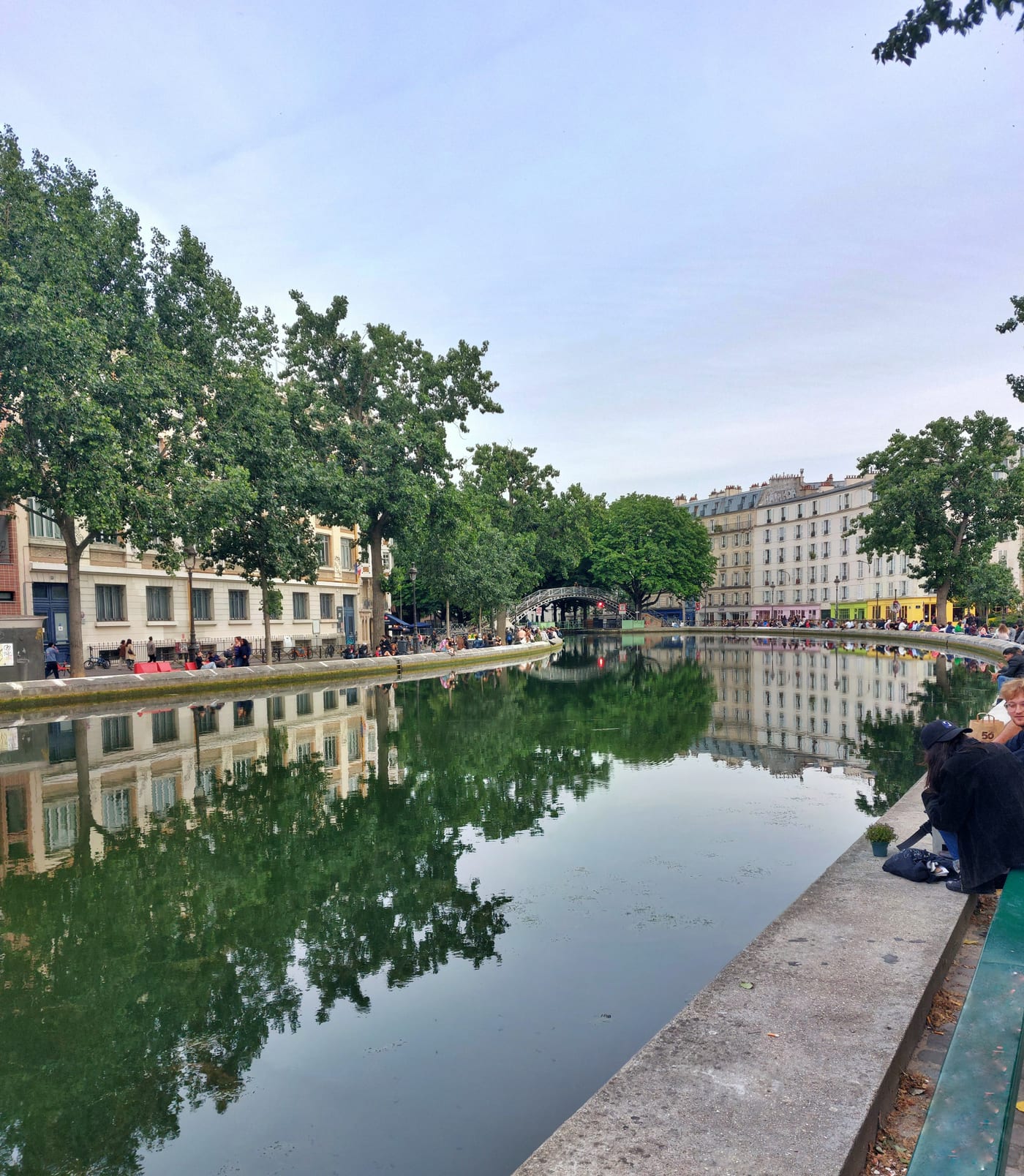
Our tip: come at the start of a session or in the early afternoon (watch out for the beating sun and for swimming just after a meal…), or around 4-6 pm for the true "Paris Plages" atmosphere, deckchairs and parasols out. During a heatwave, and on certain evenings (Fête de la Musique on 21 June, Bastille Day on 14 July), the banks can draw several thousand people: best avoided if crowds make you uneasy.
Where to stay near the Canal Saint-Martin
For a young couple, the Chess Studio is the ideal affordable option: just 17 minutes' walk from the Canal Saint-Martin. For a family, the Duc de Choiseul flat lets you reach the canal in 20 minutes to begin the cruise at République, or 25 minutes to set off from the Port de l'Arsenal at Bastille.