
Two minutes from Duc de Choiseul. A historical monument with a turbulent past — banned by Louis XIV, reborn by Louis XVI, burnt three times, and still very much alive.
A subversive style before being a building
Opéra Comique was first a theatre style, and only later a building. The style appeared at the end of the 17th century, born from itinerant Italian comedians (the Comédiens-Italiens) banned by Louis XIV in 1667 — and reborn under Louis XV in 1715 with a royal privilege to perform.
It mixed everything the official institutions hated: singing and spoken word in the same performance, mockery of the nobility, pantomime, audience involvement, and a willingness to spoof anything popular at the Comédie Française or the Académie Royale de Musique. The traditional institutions did everything to kill it; the public adored it.
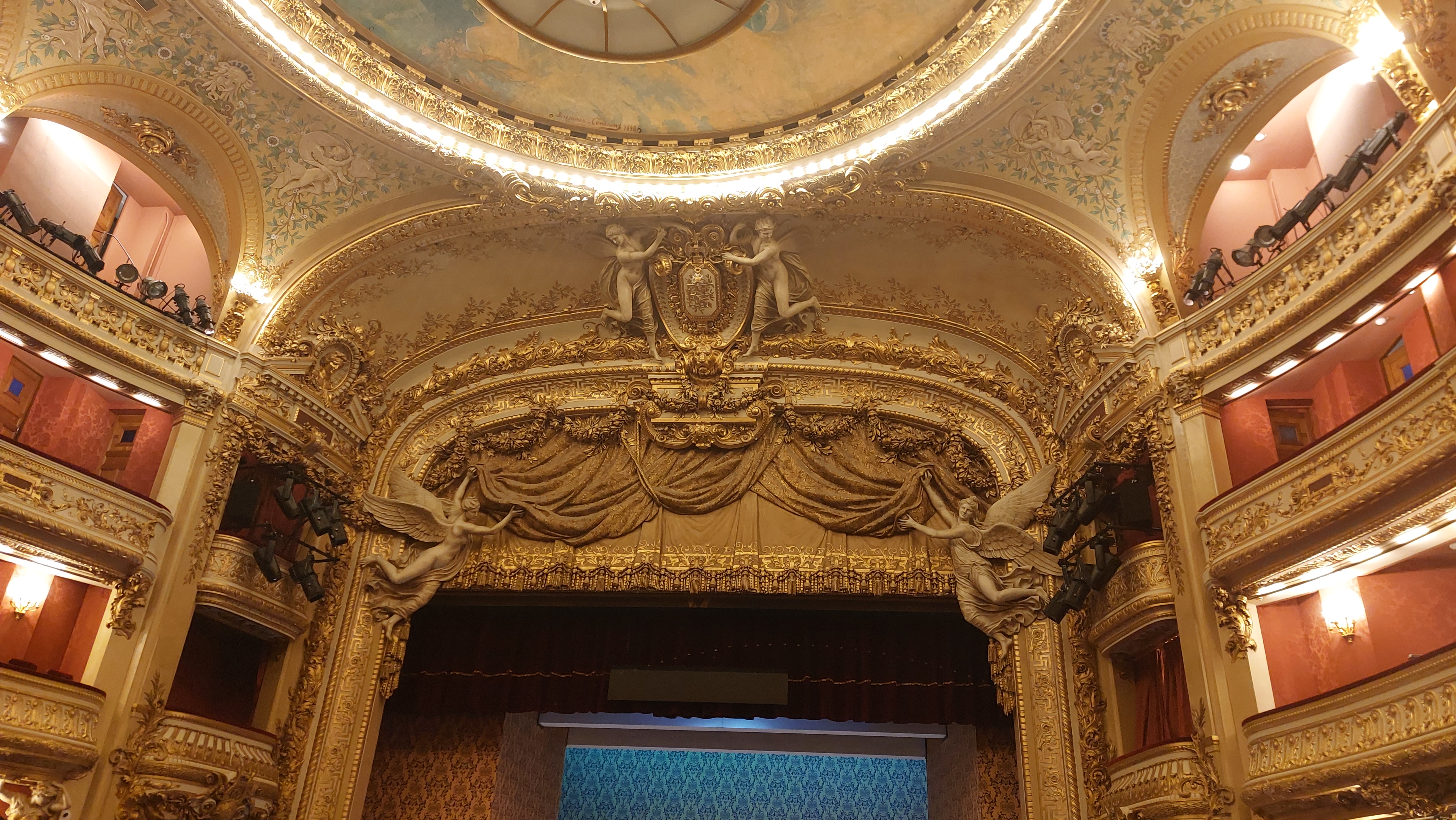
The Duc de Choiseul connection
The flat Duc de Choiseul sits — literally — on the former garden of the Duc de Choiseul's Parisian estate. In the 1770s, heavily indebted, he gave a plot of land to Louis XVI for the future Opéra Comique, hoping to regain royal favour. (Spoiler: it didn't work. He stayed at his castle in Amboise.)
But the gift built the theatre. Two minutes from the flat, you'll find the building that opened in 1783 — and that still bears the name of his foundation.
Three fires, six caryatids
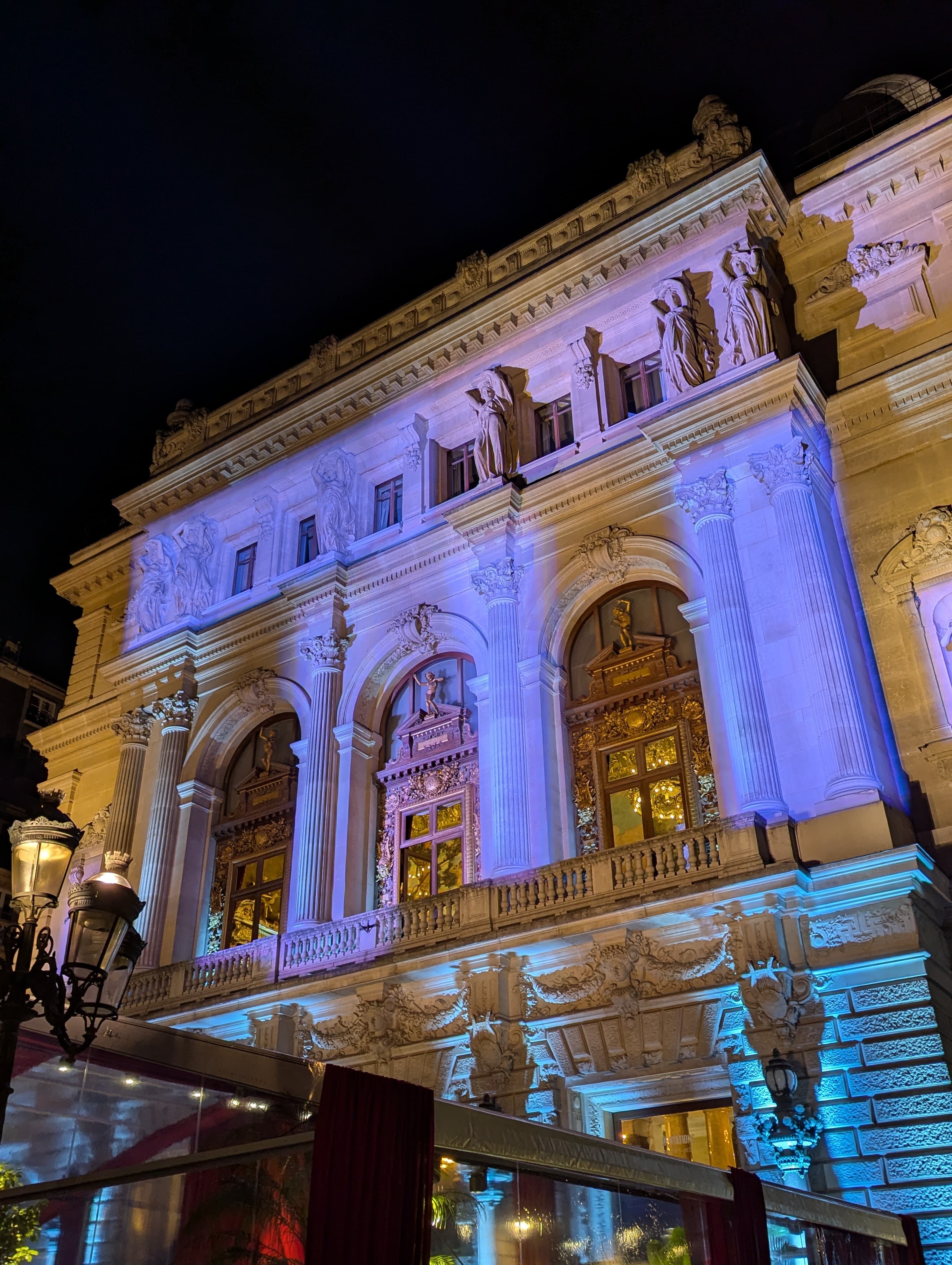
The building has burnt twice — in 1838 and again in 1887, when a gas lighting failure trapped 90 people in the dark. Both times it was rebuilt, and the third version (the one we see today) was unveiled in 1898 after 11 years of reconstruction by architect Louis Bernier. Its facade is structured by six caryatids — imposing feminine sculptures bearing the building's weight on their heads.
A 23-million-euro renovation in 2015–2017 brought it up to modern safety codes — and revived the 'Favart red', the signature shade of the auditorium named after the theatre's first manager.
What to see (and how much)
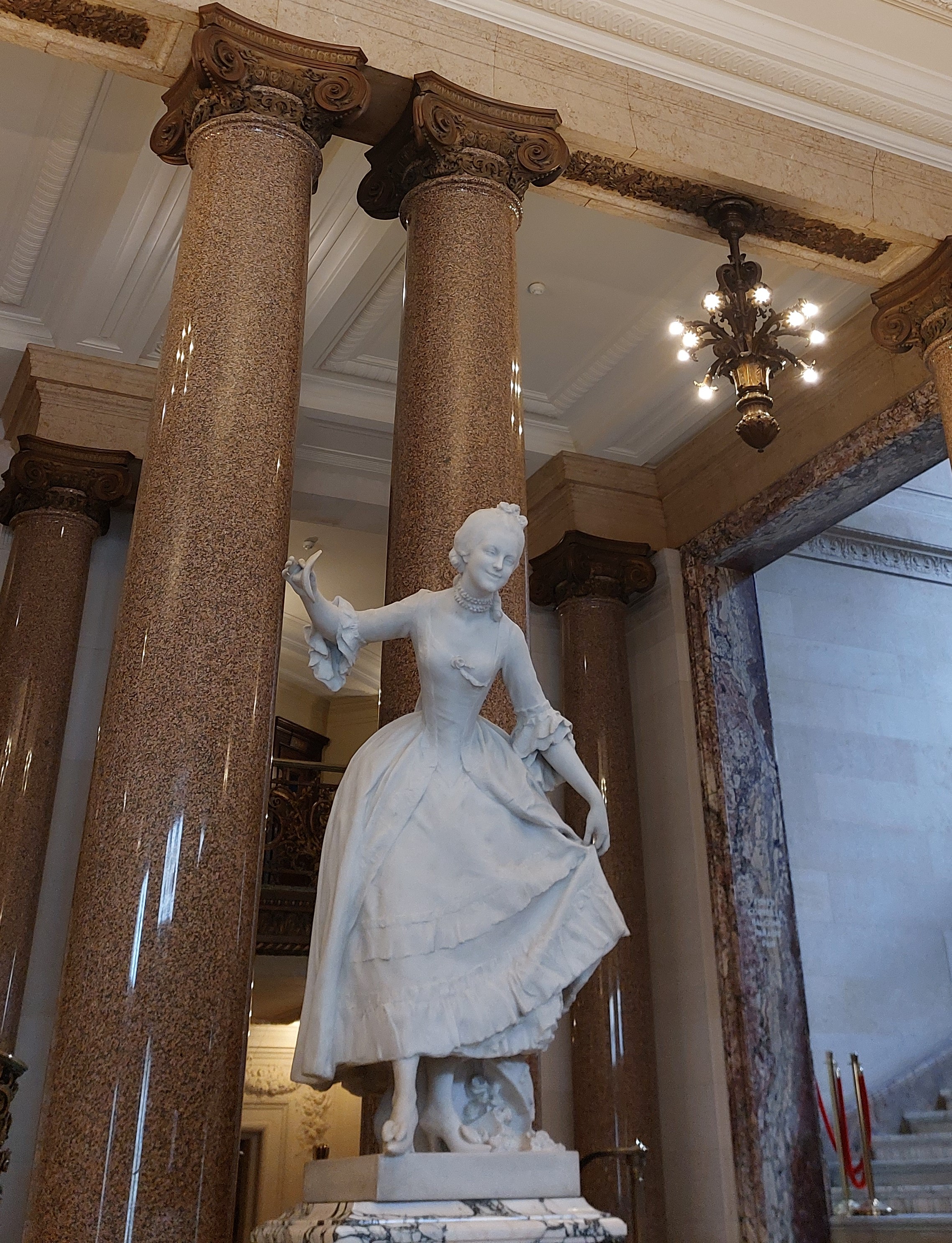
The Opéra Comique season runs from late September to May, with around five productions a year. It mixes emblematic works like Carmen and Manon with contemporary creations. Two statues — of the heroines of those operas — welcome you in the lobby.
Seats cost between 6€ (yes, six) and 210€ depending on placement and night.
Where to stay
From Duc de Choiseul, the Opéra Comique is a two-minute walk. You can attend a 8pm performance, have dinner afterwards on Rue Saint-Marc, and be home by midnight without ever using a metro.